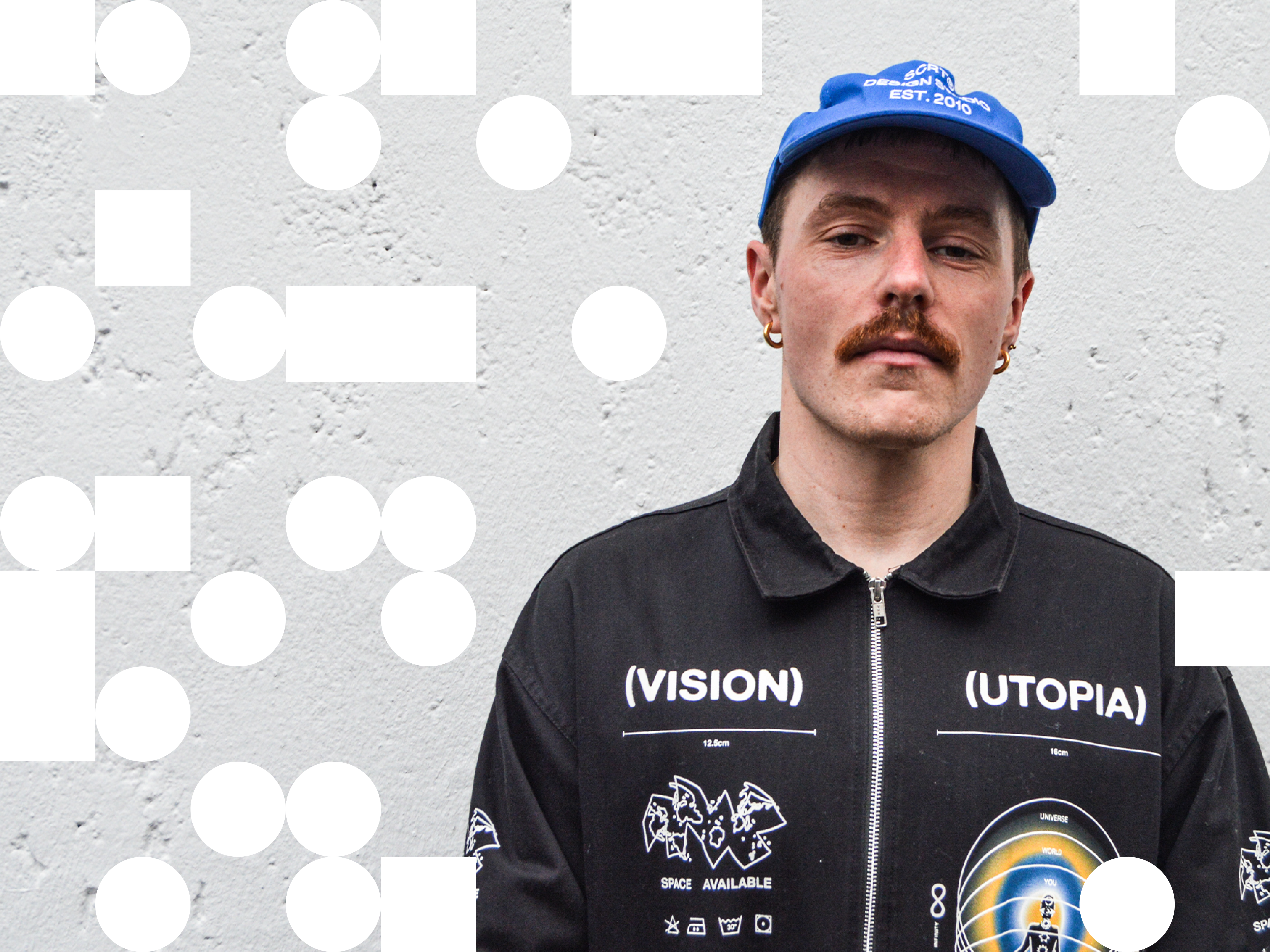
In The Making: Neale Johnston
I’m writing this from my flat in Neukölln, Berlin — I usually spend most days working from my office space in Friedrichshain, but we’ve been hit with pretty bad snow this morning (Winter in Germany can be pretty severe), so I’ve decided to stay home for the day.
I’m a graphic and motion designer working primarily in the music industry. I’m currently a Senior Designer at Beatport, an electronic-music–oriented online music store, and I also freelance for various artists, collectives, promoters, and record labels across the electronic music spectrum.
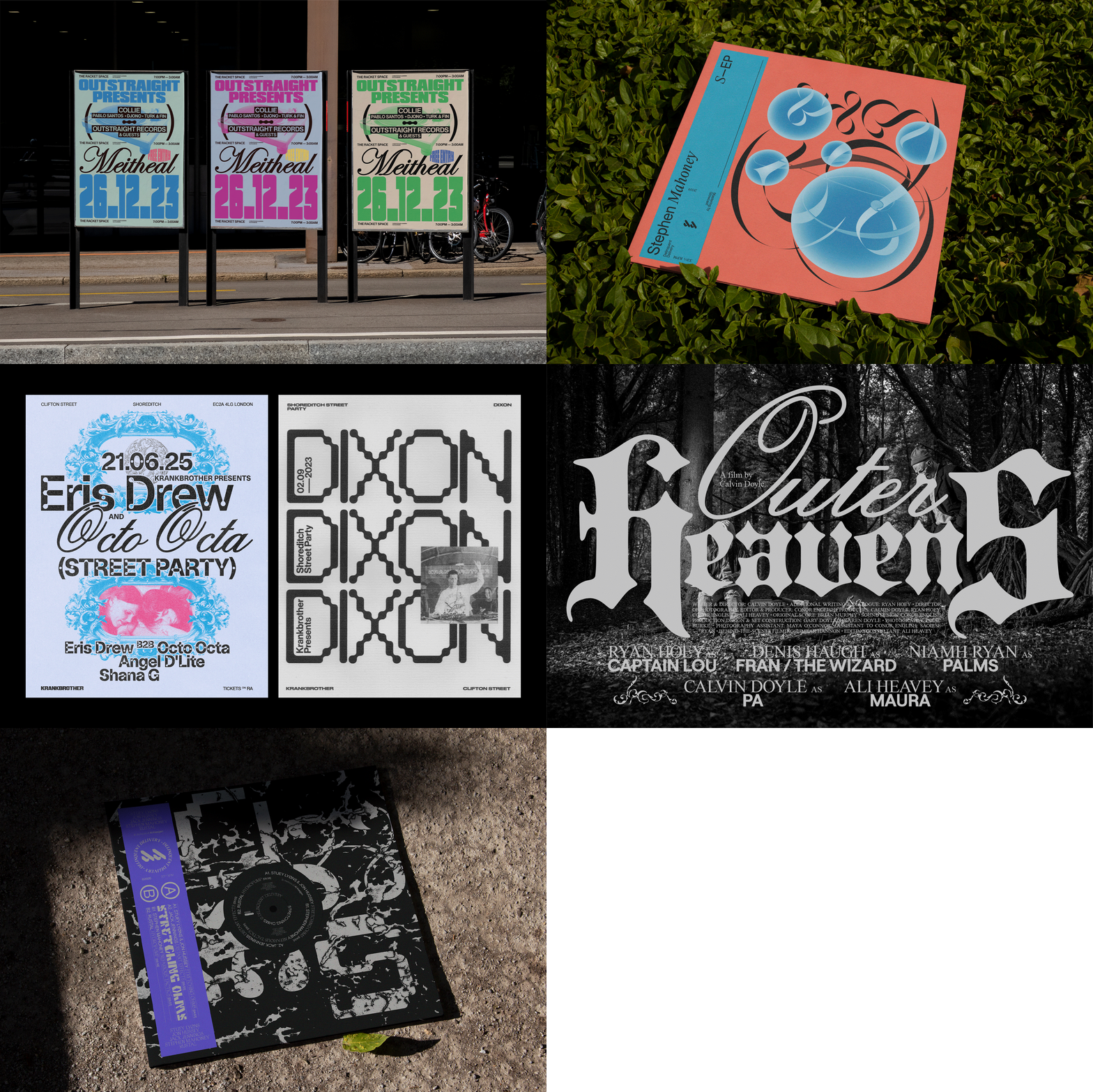
I’ve always been obsessed with music. I can remember when I was a teenager — back in the days of ripping CDs, I’d get a copy of an album from someone, and I’d attempt to draw/collage my own version of the cover. Later, when I applied to design college at 17, almost everything in my portfolio revolved around music (There were definitely a few crudely drawn guitars in there). It’s funny to think that after all these years, I’m still kind of doing the same thing now.
I graduated from Athlone Institute of Technology in 2013 with a degree in Visual Communication. From there, I was lucky enough to land a design internship at a small marketing agency in Dublin that specialised in music, which was my foot in the door of the industry. After several years working in Dublin, I made the move to Berlin, which is where I am today.
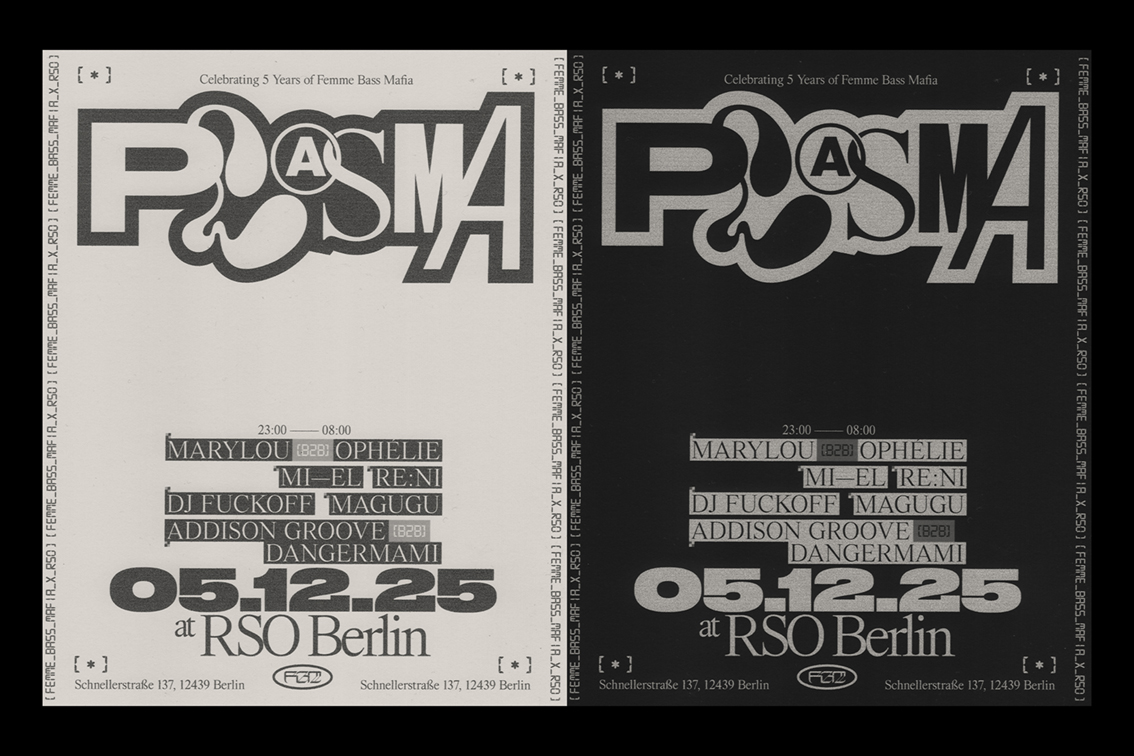
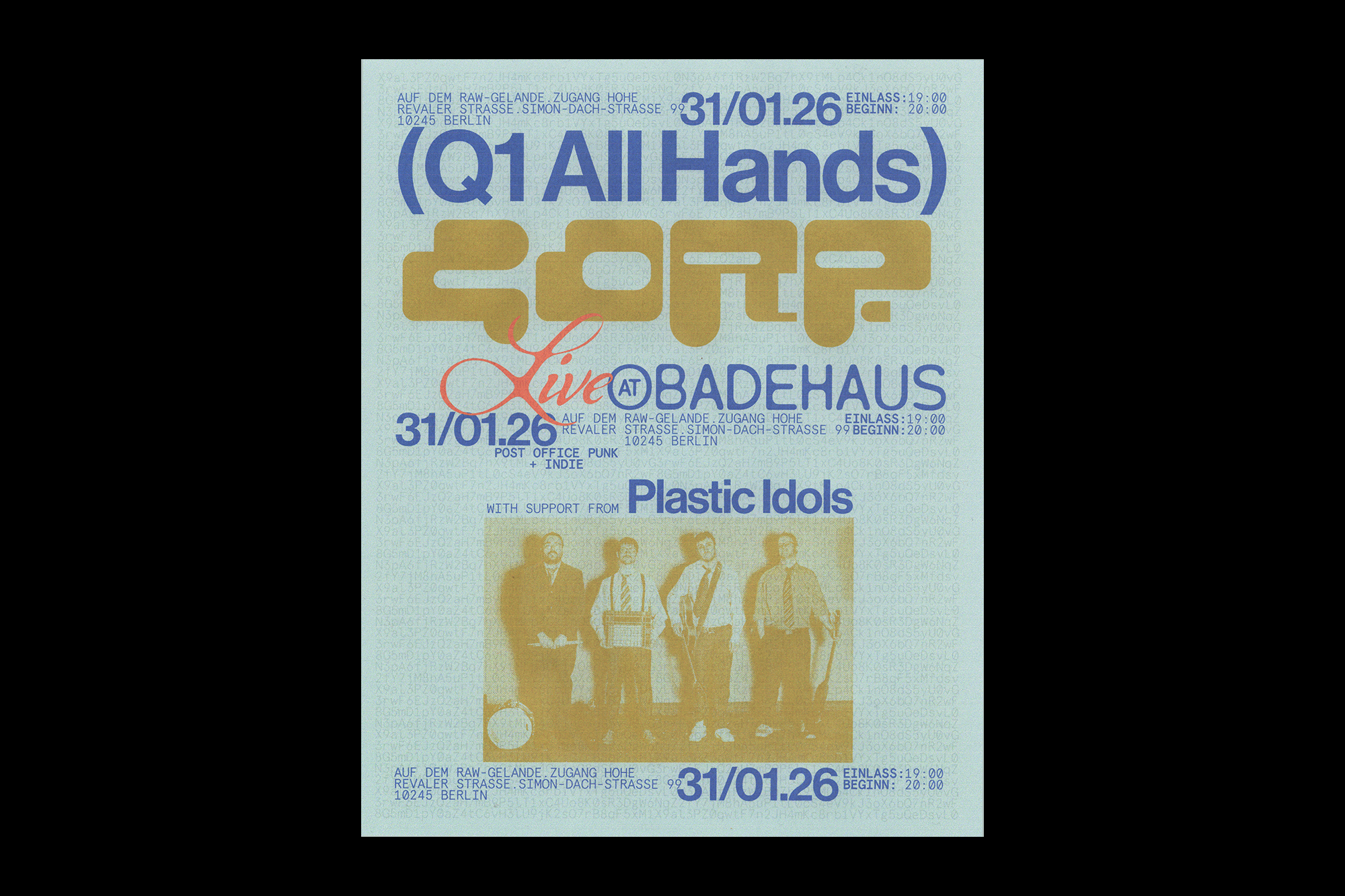
Although they both revolve around the same subject, my day job and my freelance work are very different to each other. At Beatport, my role focuses on branding, motion design and concept development for marketing campaigns/brand partnerships — all aligning with the rules of the brand identity system we’ve created. My freelance practice is different; a lot of the work I do is driven by experimentation and breaking rules. I really enjoy having these two sides to my practice as I feel they involve two different skillsets that complement each other.
My freelance work is heavily typographic; I’ve always found it fascinating how an idea or mood can be expressed solely through letterforms. When building a composition, I often try my best to throw a ‘visual curveball’ into the layout in an attempt to push the idea into new territory. I try to experiment with analogue materials and textures as much as I can — we’re living in a time where technology is evolving rapidly, and the rise of AI is reshaping the design industry as we know it. Everything is becoming super polished, and I think it’s important to try to maintain a human element to my work.
Landing a big client is always great, but a lot of times I find that the smaller projects, the independent collectives and events are more creatively fulfilling. I love collaborating with people who are building something from the ground up and creating something for the love of it. I often feel the most connected with this work; there’s a lot more room to experiment and take creative risks.
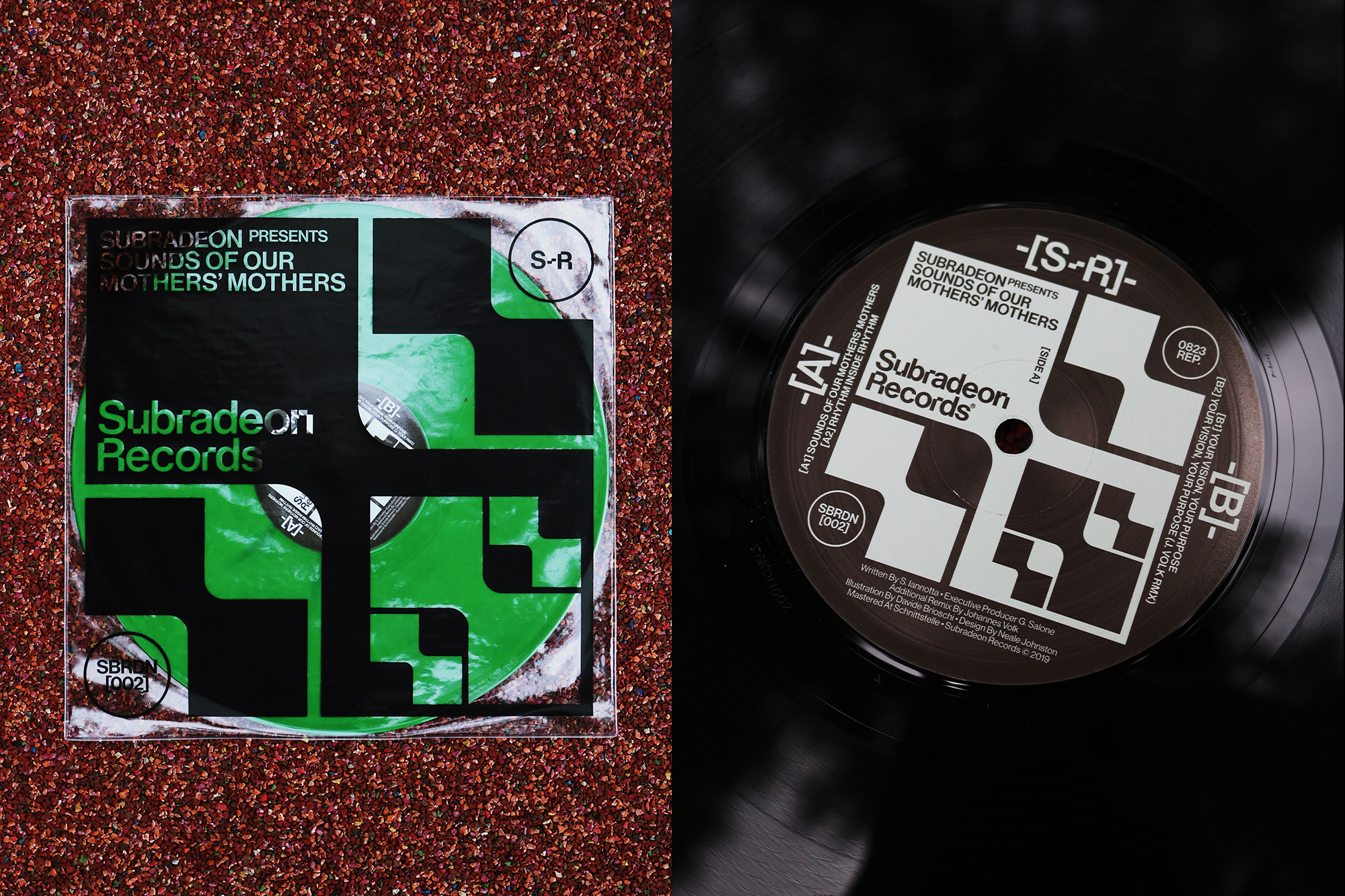
I think most designers would agree that it’s especially rewarding to create something you can actually hold. Earlier this year, I worked with Subradeon Records, a Berlin techno label, to rebrand their identity and design the vinyl record for their next release. The concept for the brand centred on the idea of humans and machines working side by side. We developed a graphic language built around bespoke, ‘mechanical’ letterforms paired with Neue Haas Grotesk.
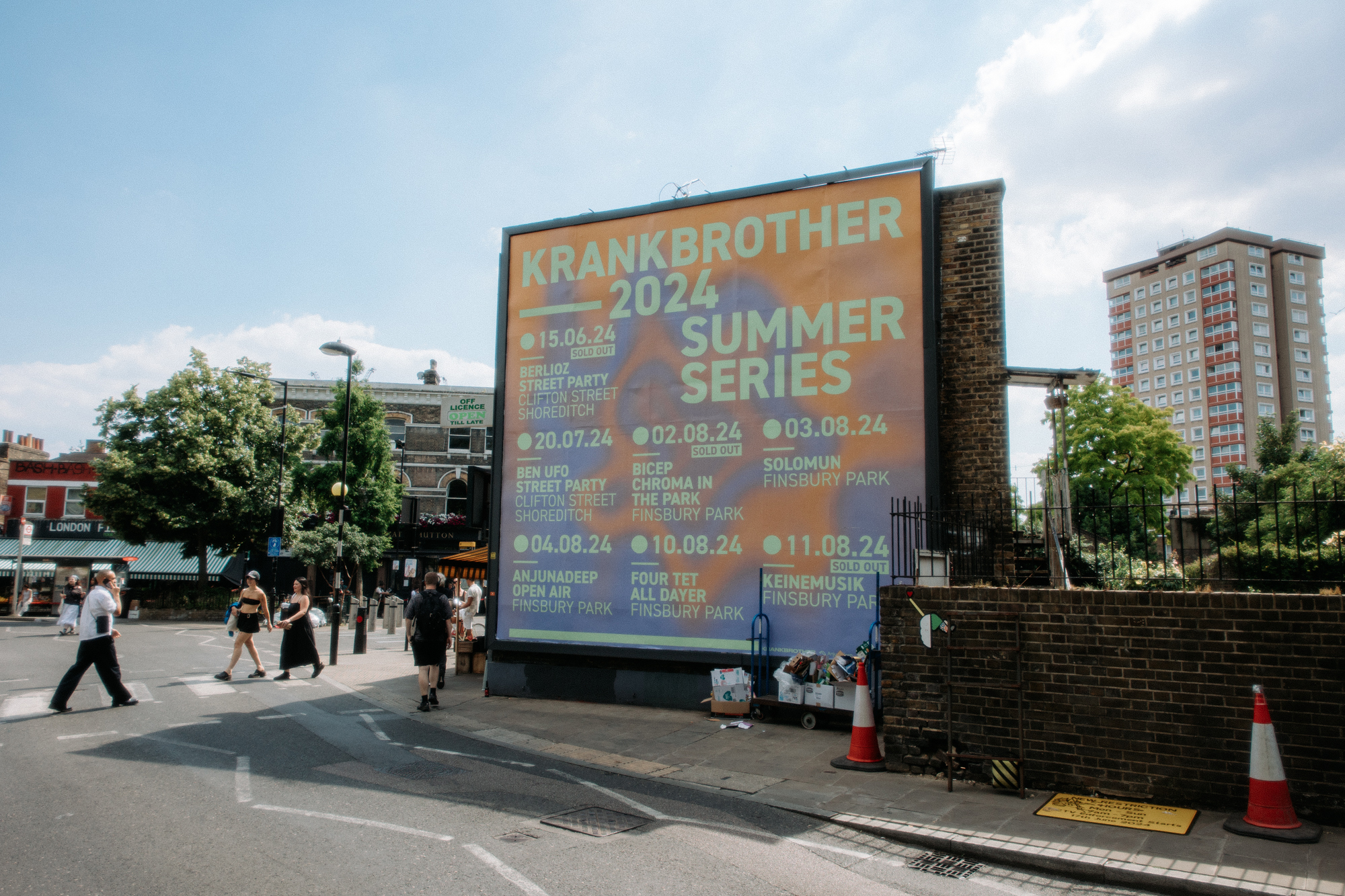
For the past few years, I’ve been working with Krankbrother, an event promoter in London. Every year, in the run-up to their summer season of shows, we create a billboard campaign that’s displayed all over the city. It’s always a great project to work on. There’s something quite fulfilling about seeing physical work of that size out in the real world.
I find I get most inspired when I leave my screen. Berlin is bubbling with creativity — you never have to go very far to find something that ignites an idea. Most recently, I went to an exhibition by cyan, a Berlin-based design studio that’s been in operation since 1990. A beautifully curated selection of typographic work that pushes the limits of legibility. Another go-to spot for inspiration is do you read me?!, a small independent bookstore full of amazing books and zines.
Looking ahead, it’s hard to imagine where design is going to be in a few years. Things are changing fast, and there’s plenty of uncertainty, but the most important thing for us as creatives is to stay curious, be open to new ideas and keep learning.
Follow @NealeJohnston